
 By for01work02@gmail.com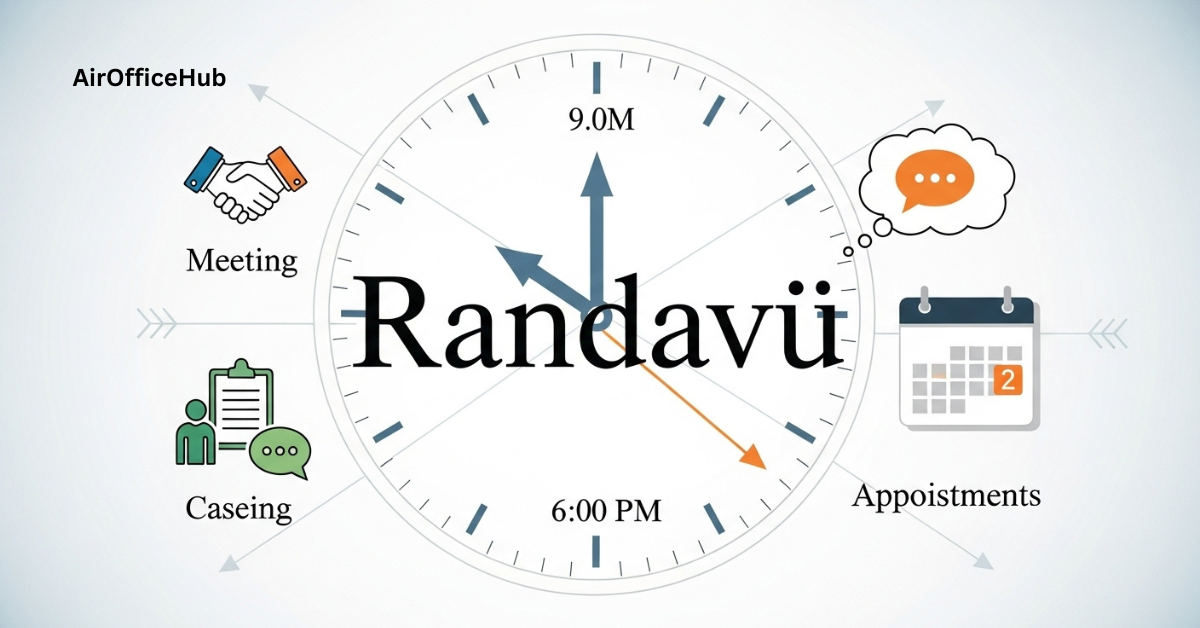
Randavü is more than just a word; it’s a concept that resonates across cultures and invites us to explore the nuances of human interaction. At its core, Randavü signifies appointments or meetings, but delve deeper, and you’ll find layers of meaning intertwined with tradition, respect, and societal norms. In a world where time often feels fleeting, understanding the significance of these encounters can transform both personal relationships and professional dynamics. Whether you’re scheduling coffee with friends or negotiating deals in a boardroom, appreciating the cultural underpinnings of Randavü adds depth to every appointment you make. Join us as we uncover the origins of this intriguing term and examine how different cultures celebrate—or sometimes challenge—the art of making connections through scheduled engagements.
The Origins of Randavü
Randavü, a term that evokes the essence of appointments, has its roots in various cultures. The word itself is believed to have originated from ancient social practices where gatherings were pivotal for community bonding.
Historically, many societies emphasized the importance of face-to-face interactions. These meetings weren’t just about exchanging information; they fostered trust and relationships.
In regions like the Middle East and parts of Africa, scheduled gatherings often held significant cultural weight. They served as platforms for resolving conflicts or celebrating milestones.
As globalization took hold, so did the concept of Randavü. It evolved into a more formal recognition across diverse cultures while retaining its core value: connection through personal interaction. This evolution reflects how different societies appreciate their time spent together even amidst rapid modernization.
Cultural Significance of Appointments in Different Countries
Appointments hold varied significance across cultures, reflecting local customs and values. In Japan, punctuality is paramount. Arriving late can be seen as disrespectful. Meetings often start with formal greetings to establish rapport.
In contrast, Latin American countries may embrace a more relaxed approach to time. While appointments are appreciated, flexibility is common. Socializing during meetings often takes precedence over strict adherence to schedules.
Meanwhile, in the Middle East, building personal relationships is crucial before discussing business matters. Appointments might take longer due to social pleasantries and trust-building activities.
In Scandinavian regions like Sweden and Norway, equality shines through in professional settings. Meetings tend to be casual yet focused on collaboration rather than hierarchy.
Understanding these cultural nuances enhances communication and fosters better relationships globally. Recognizing how different societies perceive appointments can lead to more successful interactions both personally and professionally.
How is Randavü Different from Other Cultures?
Randavü embodies a unique approach to appointments, diverging sharply from many cultural practices. In Western cultures, punctuality often reigns supreme. Arriving late can be seen as disrespectful or unprofessional.
In contrast, Randavü offers a more flexible interpretation of time. It emphasizes relationships over strict schedules. This means that the emphasis is placed on connecting with others rather than just adhering to clockwork precision.
Moreover, while some countries prioritize formalities in setting meetings—like written confirmations and structured agendas—Randavü encourages spontaneity and warmth in interactions. The focus shifts from rigid frameworks to genuine engagement.
This distinctive view fosters deeper connections among people involved. Rather than viewing an appointment as merely transactional, it’s seen as an opportunity for meaningful dialogue and collaboration. This cultural nuance enriches the experience of meeting someone new or rekindling old ties.
You May Like: Depomin82 Explained: Meaning, Uses & Online
The Importance of Keeping Appointments in Business and Personal Life
Keeping appointments is essential in both business and personal realms. It reflects reliability and professionalism, traits that are highly valued by peers and clients alike.
In the business world, punctuality can make or break a deal. Arriving on time shows respect for others’ schedules and enhances trustworthiness. Clients appreciate it when their time is valued, leading to stronger relationships.
On a personal level, honoring commitments strengthens friendships and family bonds. It demonstrates care and consideration for loved ones’ time. When you commit to an appointment, it signals your dedication to nurturing those connections.
Moreover, maintaining a schedule fosters better organization in life overall. It helps manage expectations while reducing stress from last-minute changes or missed opportunities.
Consistency in keeping appointments cultivates discipline—a key trait for achieving success in any endeavor you pursue.
Tips for Making and Keeping Successful Randavüs
To make your randavü successful, start with clear communication. Confirm the date and time to avoid misunderstandings.
Punctuality is key. Arriving on time shows respect for the other person’s schedule. It’s a sign that you value their time as much as your own.
Choose a comfortable location where both parties can focus without distractions. A quiet coffee shop or a serene park can create an inviting atmosphere.
Prepare in advance by jotting down topics or questions you’d like to discuss. This keeps conversations flowing smoothly and ensures nothing important gets overlooked.
Follow up after your meeting with a quick message of appreciation. It strengthens connections and sets the stage for future engagements, making every randavü memorable and impactful.
Conclusion
Randavü represents more than just a word; it embodies the essence of human interaction through appointments. Its origins weave together cultural threads that shape how we connect with one another across different societies.
Understanding Randavü invites us to appreciate the nuances of scheduling in various cultures. From punctuality in Germany to flexible time norms in Latin America, each region offers insights into its values and priorities. This diversity enriches our interactions and broadens our perspectives on what making an appointment truly means.
The importance of keeping appointments transcends business boundaries, influencing personal relationships as well. Whether it’s meeting a friend for coffee or sealing a deal with a client, honoring commitments fosters trust and respect.
Successful Randavüs can be cultivated by following simple yet effective tips. Being clear about expectations, confirming details ahead of time, and being mindful of local customs can help ensure smooth interactions that everyone enjoys.
As we navigate the complexities of modern life, embracing the concept of Randavü could enhance both our professional endeavors and personal connections. Making appointments is about much more than logistics—it’s about building bridges between people across cultures and creating meaningful experiences together.
Read More: OLXKing123 .com Review: Risks, Legitimacy & What You